Building iauro's Design System from Zero to One
Transforming chaos into clarity: how I built a comprehensive design system from scratch to unify our products, empower teams, and reduce delivery time by 17%.
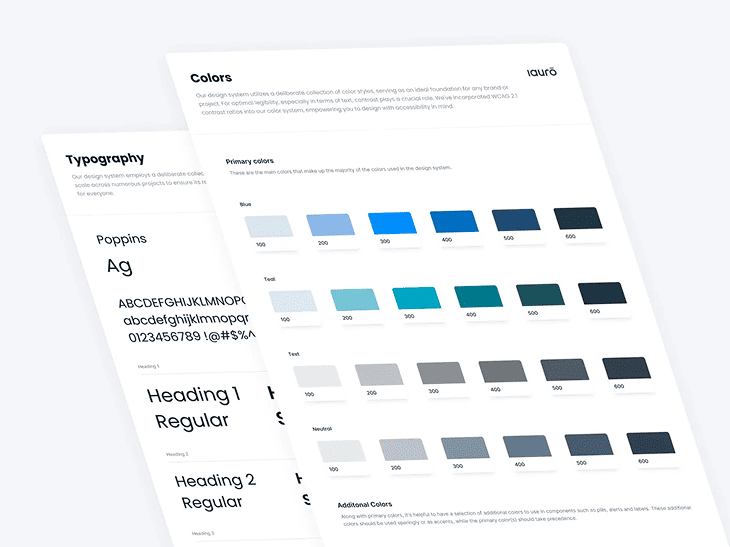
Picture this: Multiple designers, each crafting their own version of a button. Developers rebuilding the same components for every new project. Client deliveries slowing to a crawl. As a UI/UX Designer at iauro systems, I watched this cycle repeat itself until one day, I decided enough was enough. What we needed wasn't just another component library. We needed a shared language, a single source of truth that would unite our entire product ecosystem. This is the story of how I built that foundation from the ground up.
The Fragmented Landscape: Understanding Our Starting Point
Before this initiative, our design process was like a game of telephone gone wrong. Each designer operated in their own bubble, creating custom styles for similar components across different projects. The result? A patchwork quilt of inconsistent interfaces that made our products feel disjointed and unprofessional. Coordination between teams was a nightmare, and the handover to developers felt more like deciphering hieroglyphics than following clear guidelines.
The Real Cost: Beyond Just Inefficiency
Here's what kept me up at night: We were essentially reinventing the wheel with every single project. Every button, every form field, every modal dialog, built from scratch, again and again. This wasn't just inefficient; it was unsustainable. We needed to break free from this cycle. The solution? A single source of truth that would eliminate repetitive work, slash design debt, and ensure every product we shipped carried our quality stamp, without starting from zero each time.
Goals & Pain Points
To truly understand the depth of the problem, I rolled up my sleeves and dove into the trenches. I analyzed our workflows, talked to designers and developers, and pinpointed exactly where we were bleeding time and quality. Here's what I discovered:
- Designers:
- Inconsistent UI across products
- Repetitive work creating similar components
- Lack of shared design language
- Developers:
- Slower implementation due to custom designs
- Maintenance challenges with divergent code
- Difficulty in estimating timelines
- Business:
- Slow delivery times impacting client satisfaction
- Scalability issues hindering growth
- Higher costs due to inefficiencies
Charting the Course: Building a System That Scales
Building a design system isn't just about creating pretty components. It's about architecting a shared language that brings people together. I knew that rushing into design would be a mistake. Instead, I took a systematic approach, ensuring we solved the right problems for both our design and development teams. This wasn't going to be a quick fix; it was going to be a transformation.
My journey unfolded in three strategic phases:
1. Research and Analysis:
I started by diving deep into the trenches: analyzing our current design processes, interviewing team members, and studying industry best practices. This wasn't just research for research's sake; every insight informed how we'd architect our system to serve real needs, not just theoretical ideals.
2. Component Audit & Standardization:
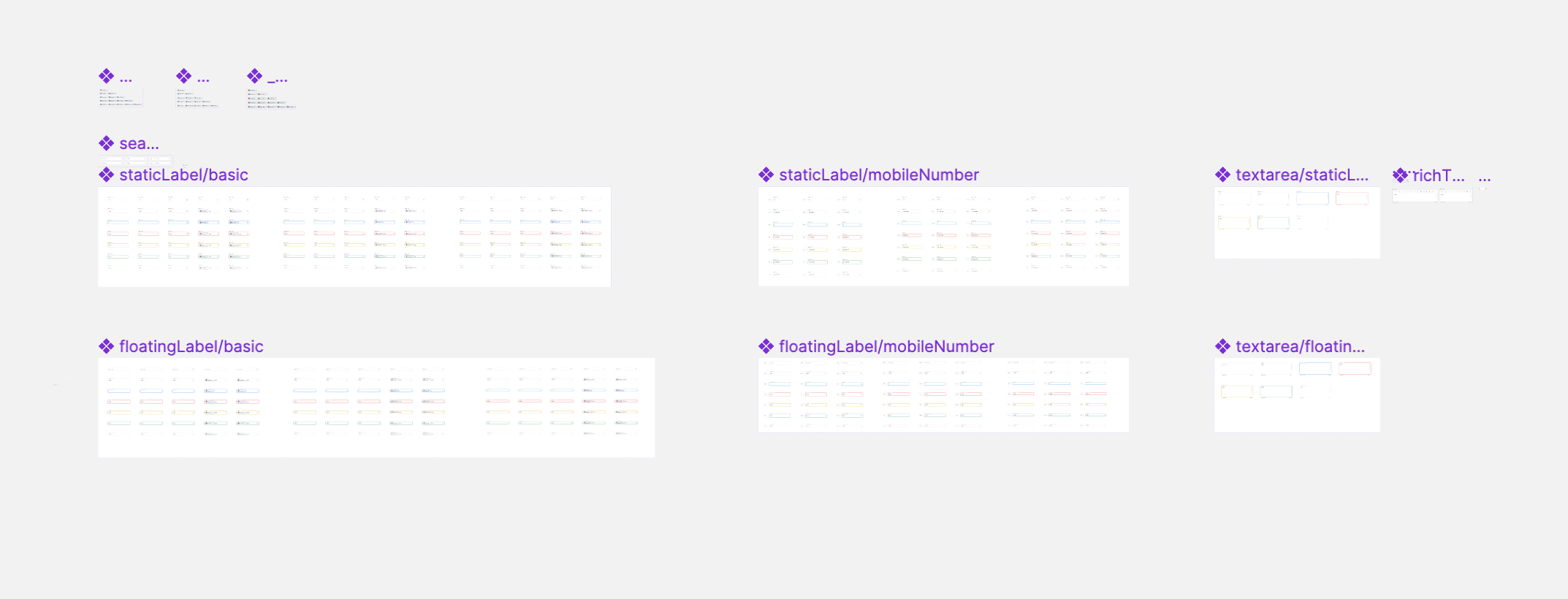
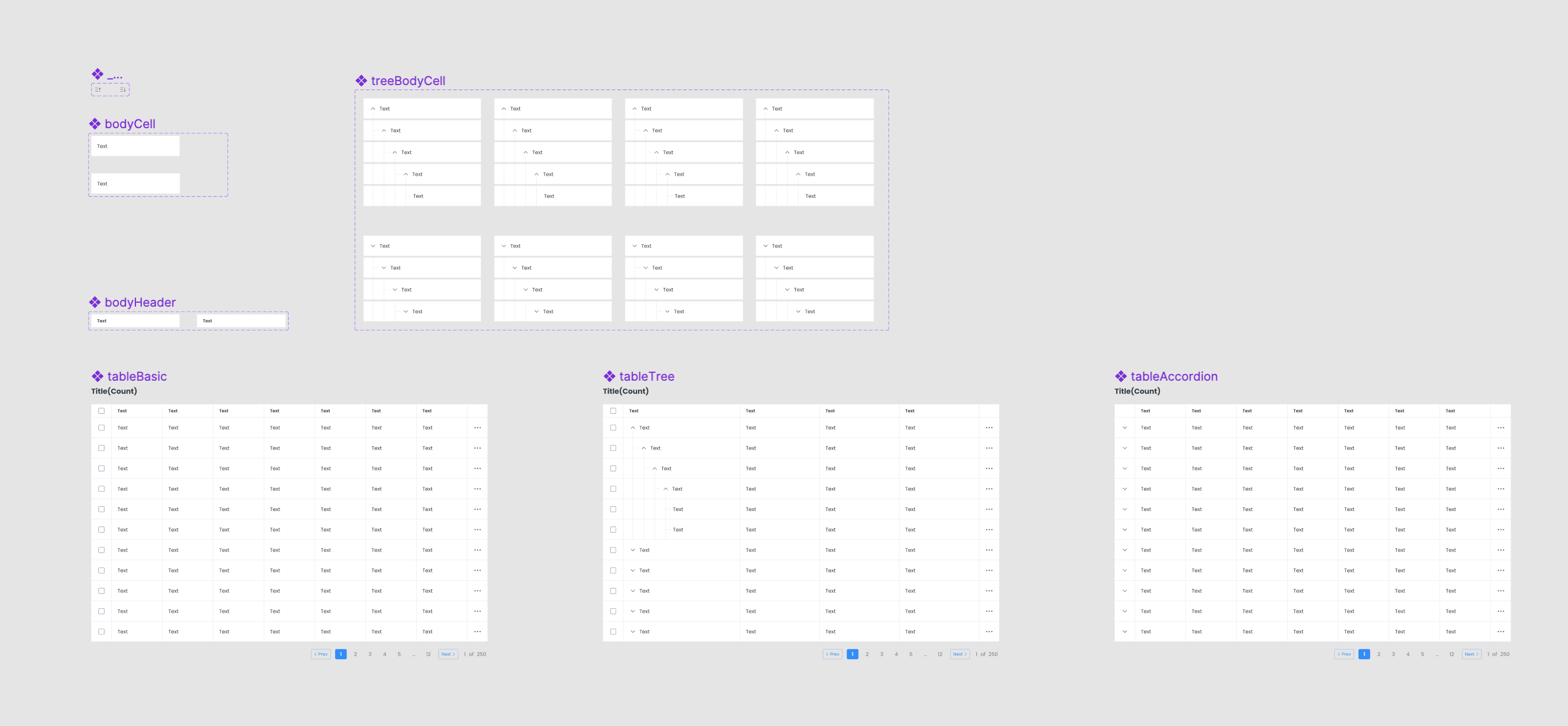
Armed with insights, I embarked on a massive audit: cataloging every UI element across our client products. It was like being an archaeologist, unearthing patterns and identifying which components appeared again and again. These recurring elements became our primitives, the building blocks of our unified design language.
3. Documentation & Living System:
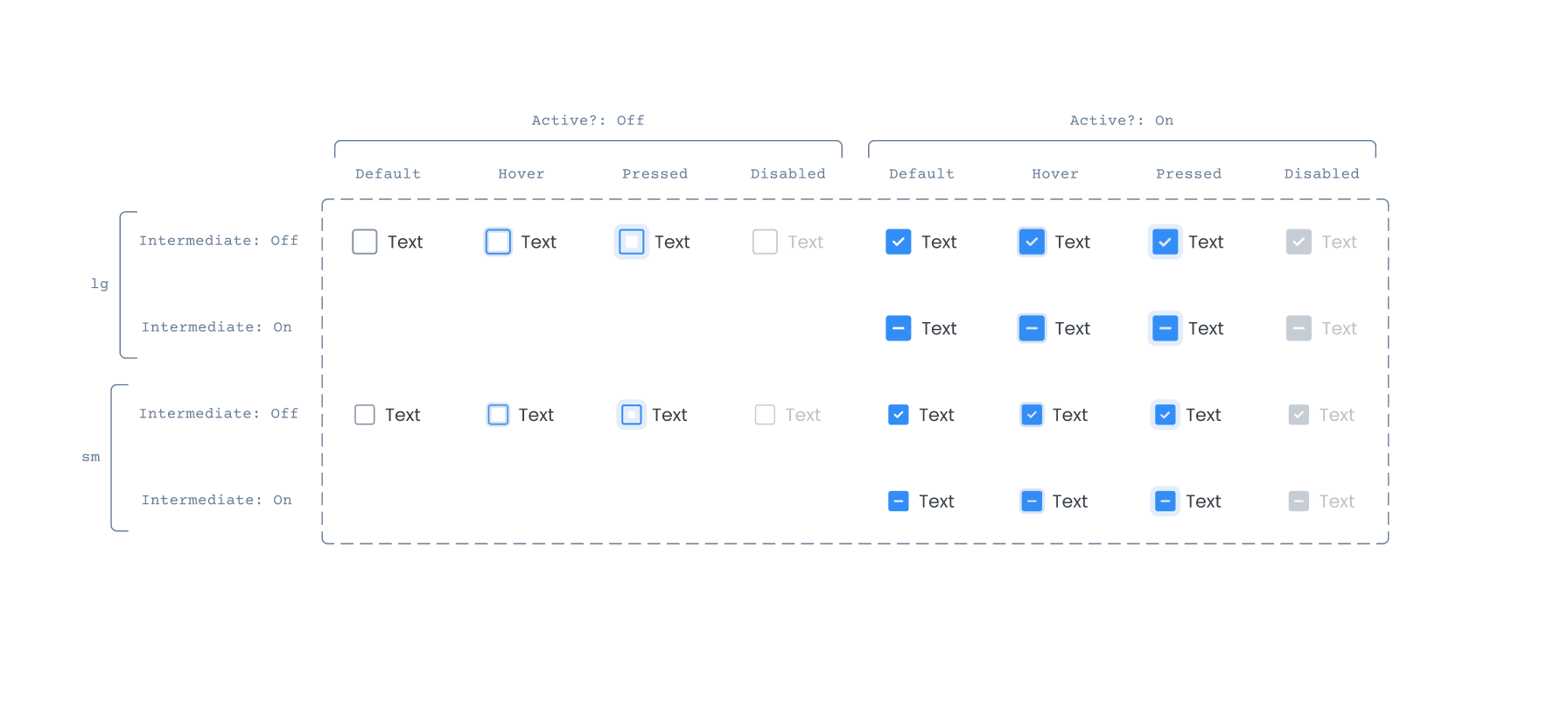
Here's where things got interesting. I didn't just document components and call it a day. I created comprehensive usage guidelines, established accessibility standards, and, most importantly, treated the system as a living, breathing product. We iterated continuously based on team feedback, evolving the system to meet real-world needs as they emerged.
The Tightrope Walk: Building the Plane While Flying It
Here's the thing about building infrastructure while projects are in flight. It's terrifying and exhilarating in equal measure. We had client deadlines breathing down our necks, yet we needed to invest precious time in building this foundation. The challenge wasn't just technical; it was political. I had to prove the system's value immediately to gain team adoption, while simultaneously ensuring it was scalable enough for future growth. It was like building a bridge while people were already walking across it.
The Transformation: What Actually Changed
Delivery time reduced by 17%
The numbers tell part of the story, but they don't capture everything. Yes, we shaved 17% off our delivery times. That's huge. But the real magic happened in the culture shift. Designers and developers started speaking the same language. The phrase "just use the design system component" became our rallying cry. Cross-functional collaboration flourished. Quality shot up. QA time plummeted. We didn't just build a tool; we built a shared understanding that transformed how we work together.
What I Learned Along the Way
Building this design system taught me something profound: a design system is as much a social product as it is a technical one. You can create the most beautiful, pixel-perfect components in the world, but if people don't adopt them, they're worthless. The key to adoption? Solve real pain points. Listen to your users: in this case, designers and developers. Make their lives easier, and they'll become your biggest advocates. That's the lesson I'll carry with me forever.